172113 Dankhar Spiti (HP),
INDIA
+91 78764 11383
no-reply@spitihimalayantours.com
Spiti Valley – The True Essence of the Himalayas
Cultural Demonstration – 1 Day Experience
We feel truly honored to share our traditional Spitian cultural dance with you.
It’s a special part of our heritage, and we warmly welcome you to be a part of it.
You’ll not only witness the performance but also have the chance to join in and experience the joy with us!
The traditional dance of Spiti women is a graceful and slow-paced group performance, usually done during festivals and special occasions.
Dressed in colorful traditional attire, the women sing folk songs while moving in rhythmic circles, reflecting the region’s rich cultural heritage.
Musicians in Spiti play a key role in the region’s cultural and spiritual life. They perform on traditional instruments like daman, Sunna, and Dawo during ceremonies and festivals.
Their slow, meditative music is deeply influenced by Tibetan Buddhism and serves as a form of devotion and storytelling.
How to Join Us
All participants are requested to arrive at the designated location on time. Once everyone has assembled, there will be a brief orientation session accompanied by tea. Following the briefing, we will proceed to a nearby village where the cultural program will take place. Tea and traditional local food will be served at the venue. Upon conclusion of the cultural event, all participants will be transported back to Kaza, from where we initially departed.
Cost Details Upon request
Village Guided tour 3 Days - Start & End Point Kaza
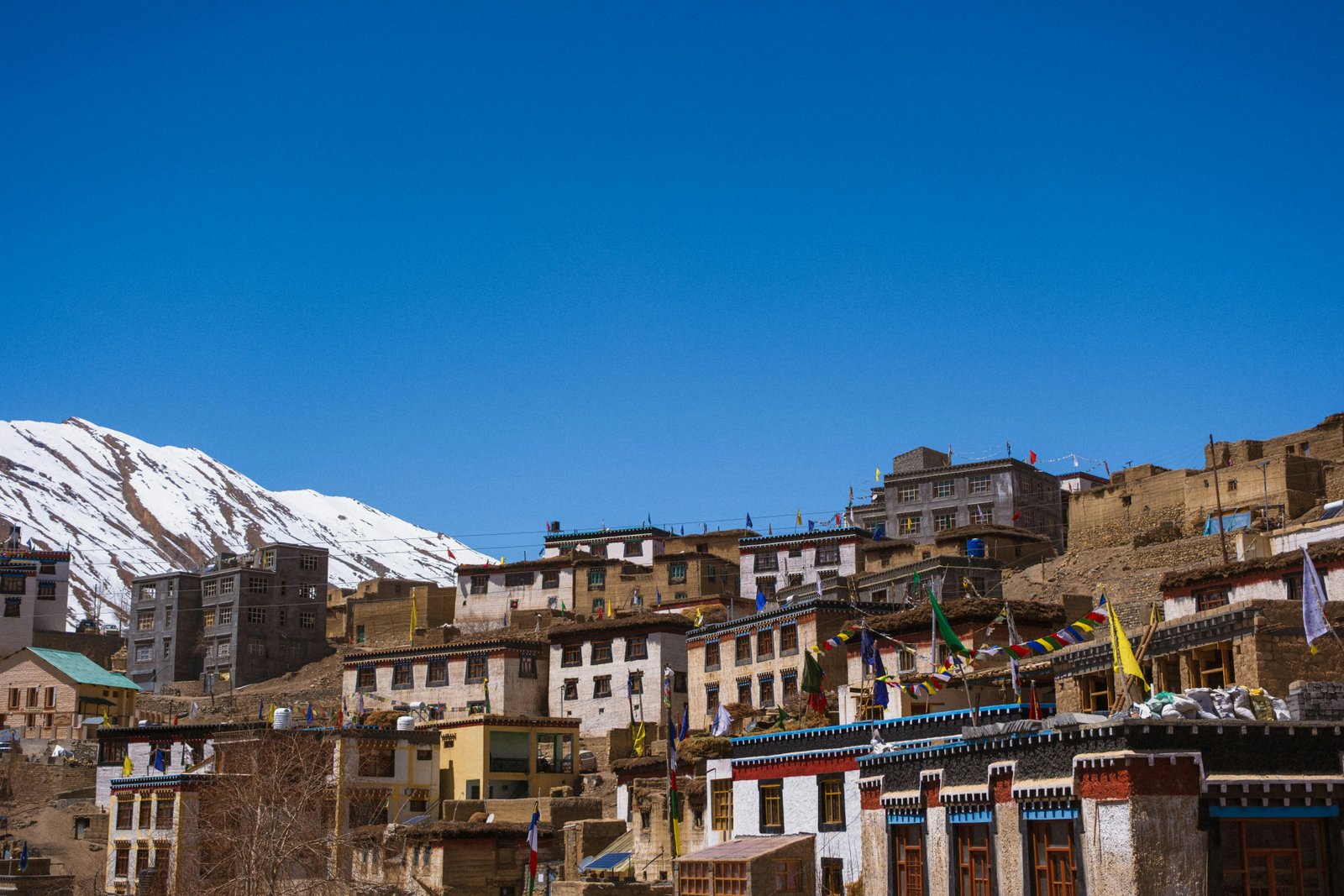
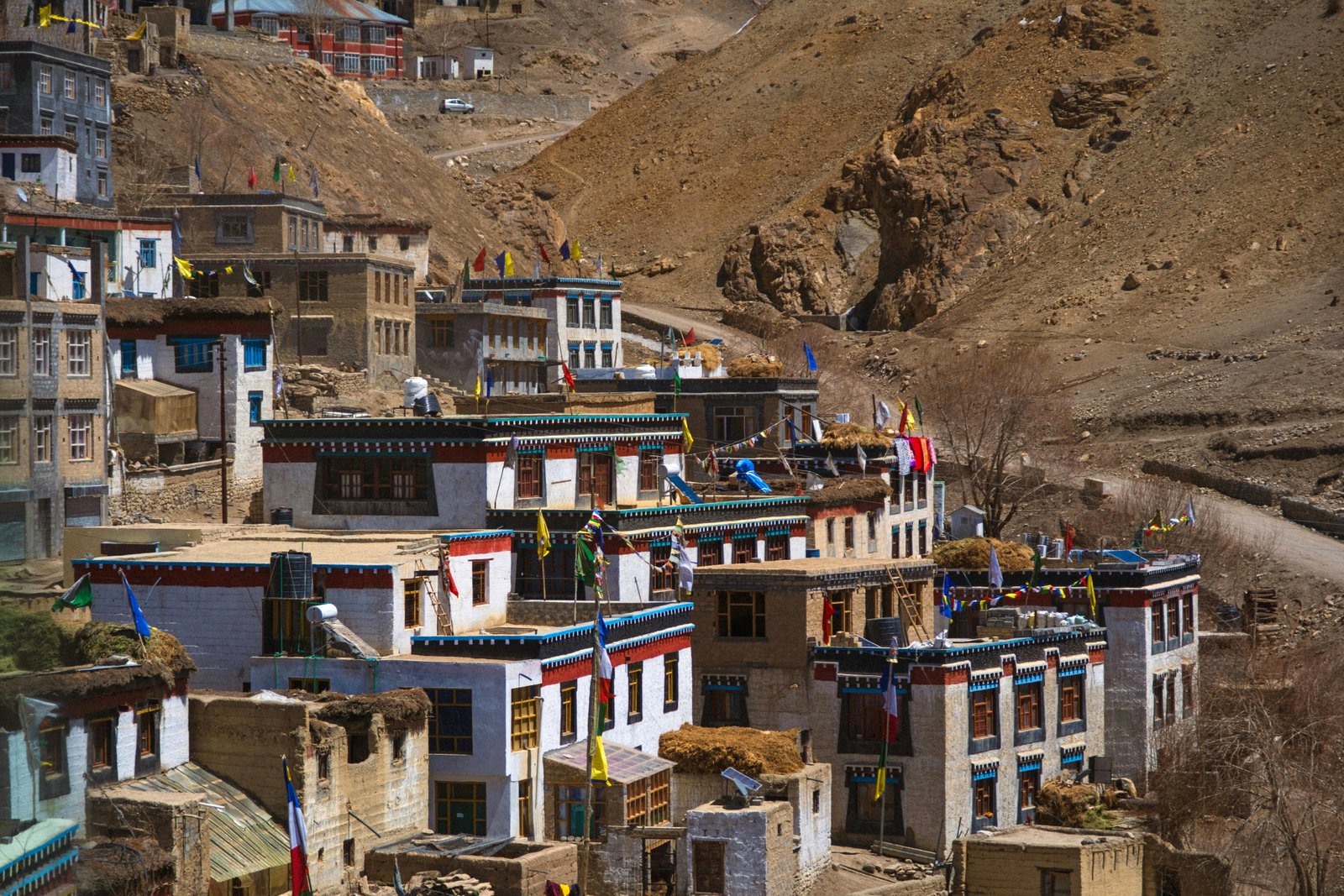
A guided village tour in Spiti offers a unique opportunity to experience the rich culture, traditions, and lifestyle of the local people. Led by knowledgeable local guides, the tour takes you through ancient villages surrounded by stunning Himalayan landscapes.
You’ll get to visit traditional mud houses, interact with local families, see how they live, and learn about their customs, farming practices, and food habits. Also includes visits to local monasteries, schools, and handicraft centers, giving you a deeper understanding of life in this remote region.
It’s more than just sightseeing — it’s a cultural exchange that helps preserve and respect the heritage of Spiti while offering travelers a meaningful and authentic experience.
NOTE: The stay at the homestay is very basic, with either a shared washroom or a dry pit local toilet. It’s advisable to carry wet wipes with you for convenience.
The entire tour will depend on the weather. In case of road closures or any natural causes, we will not be responsible.
ITINERARY
Day 1: Pick from Kaza and drive towards Suhushuna Village, Mane Village,
Dhankar Village, Lalung Village. Overnight stay at Lalung.
Day 2: Lalung to Rama, Bar, Sangam, Tailing. Overnight stay at Mudh.
Day 3: Mudh to Lidung, Lara, Shego & back to Kaza for drop.
Inclusions
2 night stays, meals at homestays
Lunch will be somewhere in a village house
All stays in homestays with Double, Triple, or Quad rooms as per availability
Vehicle for 3 days
A local guide for 3 days
Exclusions
Extra stays & vehicle
Personal expenses
Tip for staff & homestays
Medical issues
Health insurance
Cost Details
Cost per person - Per person - 8,999/-
Home Stay Treks 6 Days - Start Point Kaza & End Point Kaza
Homestay trekking in Spiti offers a unique way to explore the region on foot while staying with local families in traditional village homes. As you trek from one village to another, you experience stunning Himalayan landscapes, ancient monasteries, and authentic Spitian hospitality. Also interaction with locals & Learn Cooking at Home stays
NOTE: The stay at the homestay is very basic, with either a shared washroom or a dry pit local toilet. It’s advisable to carry wet wipes with you for convenience.
The entire tour will depend on the weather. In case of road closures or any natural causes, we will not be responsible.
ITINERARY
Day 1: Kaza to Langza – Reach & explore Langza (Vehicle)
Day 2: Langza to Komic via Hikkim Village (Trek)
Day 3: Komic to Demul via Young Lapche Pass (4,200M) (Trek)
Day 4: Demul to Lalung via Chubrang & Rama Village (Trek)
Day 5: Lalung to Dhankar (Trek)
Day 6: Dhankar to Kaza return via Tabo Monastery (Vehicle)
Inclusions
5 Night stays in Homestays on sharing basis (Double / Triple / Quad)
Meals - Breakfast & Dinner
Packed lunch from homestays while on trek (From Day 2 to Day 5)
Local Guide for 6 Days
Taxi from Kaza to Langza (Drop) & Return Dhankhar to Kaza via Tabo
Exclusions
Extra Stays & Vehicle
Personal expenses
Tip for staff & Homestays
Medical Issues
Health Insurance
Porter
Cost Details
Cost per person - Per person - 13,999/-
Monastery Guided Tours 3 Days - Start & End Point Kaza
Spiti is home to five major Buddhist monasteries, each with deep historical and cultural significance. Some of these monasteries date back to as early as 996 A.D., making them among the oldest and most revered in the region. Their ancient architecture and spiritual heritage offer a profound glimpse into the rich Buddhist traditions of the Himalayas.
Key Monastery
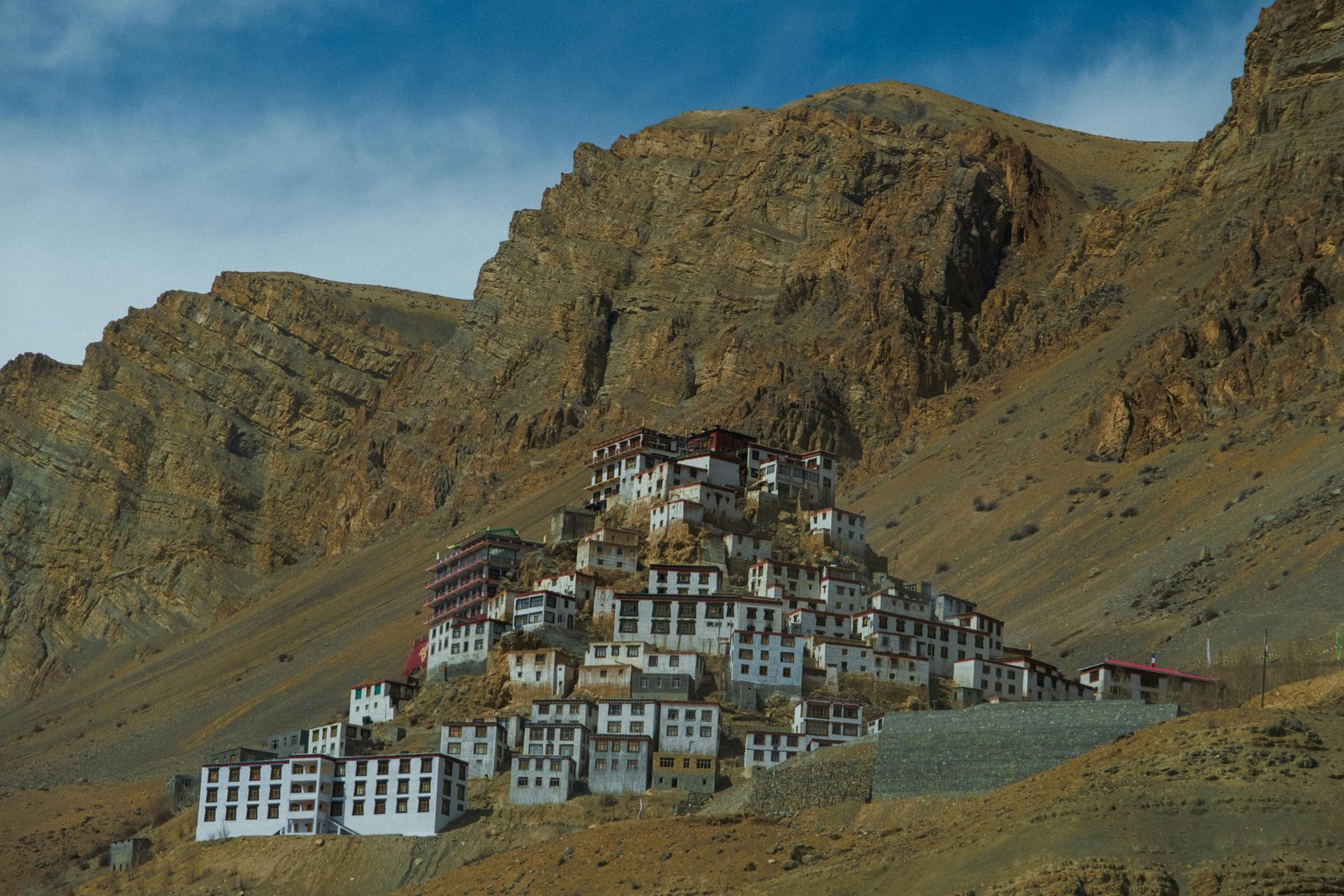
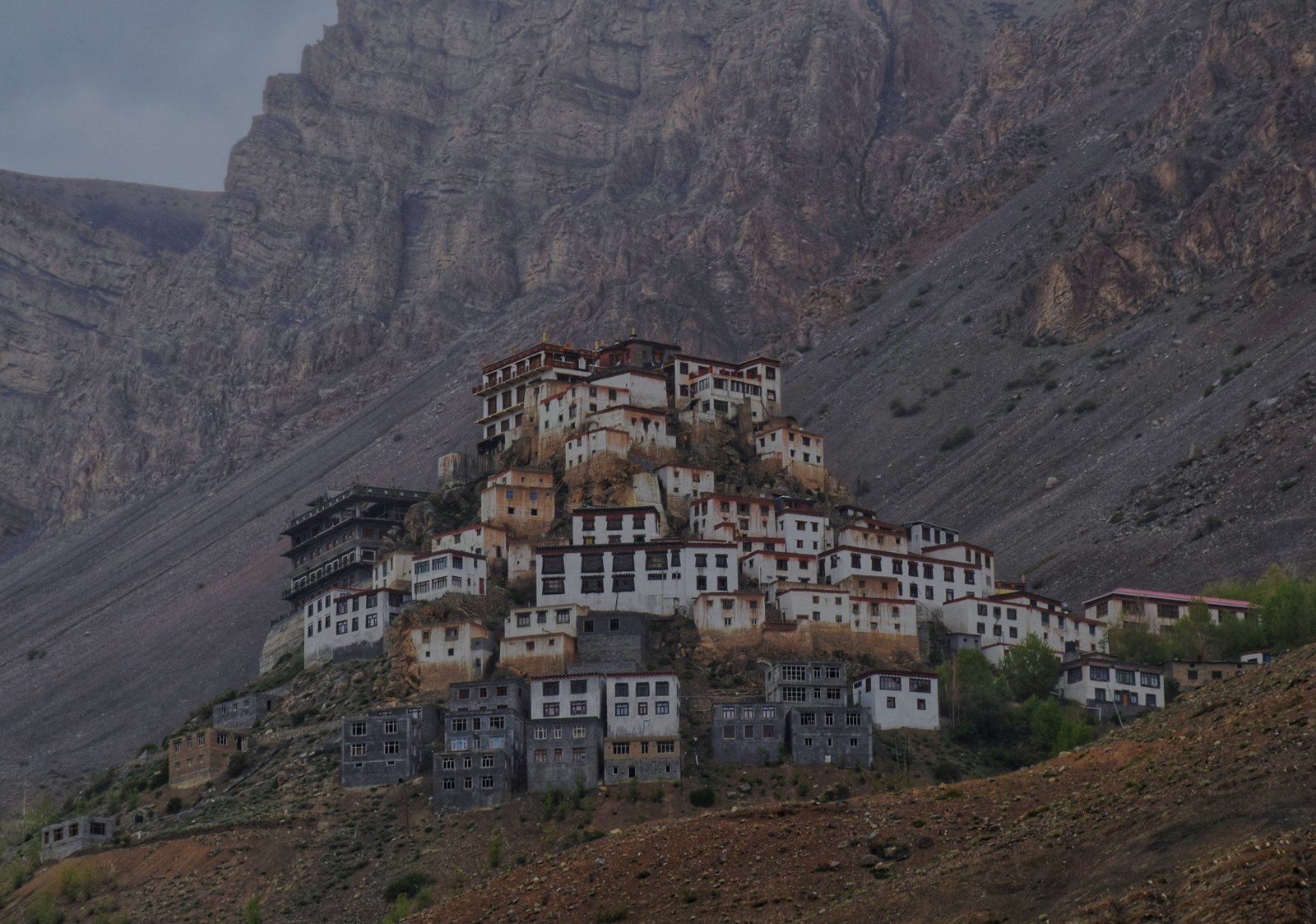
Key Monastery is a 1,000-year-old Tibetan Buddhist monastery in Spiti Valley, Himachal Pradesh. Perched at 4,166 meters, it offers stunning views of the Spiti River. It’s the largest monastery in the region, home to monks, ancient murals, and Buddhist scriptures.
Komic Monastery
Komic Monastery, also called Tangyud Monastery, is one of the world’s highest monasteries, located in Komic village, Spiti Valley. It belongs to the Sakya sect and is known for its peaceful vibe, ancient scriptures, and scenic views.
Kungri Monastery
Kungri Monastery is the second-oldest monastery in Spiti Valley, located in the Pin Valley of Himachal Pradesh. It belongs to the Nyingma sect of Tibetan Buddhism, the oldest school of Tibetan Buddhism. The monastery is known for its ancient rituals, beautiful murals, and annual festivals featuring traditional dances and masks.
Tabo Monastery
Tabo Monastery, located in Tabo village in Spiti Valley, is one of the oldest and most important Buddhist monasteries in India. Founded in 996 AD, it is often called the “Ajanta of the Himalayas” because of its ancient murals and frescoes. The monastery is a center of learning and spirituality, with several temples, stupas, and rare manuscripts.
Dhankhar Monastery
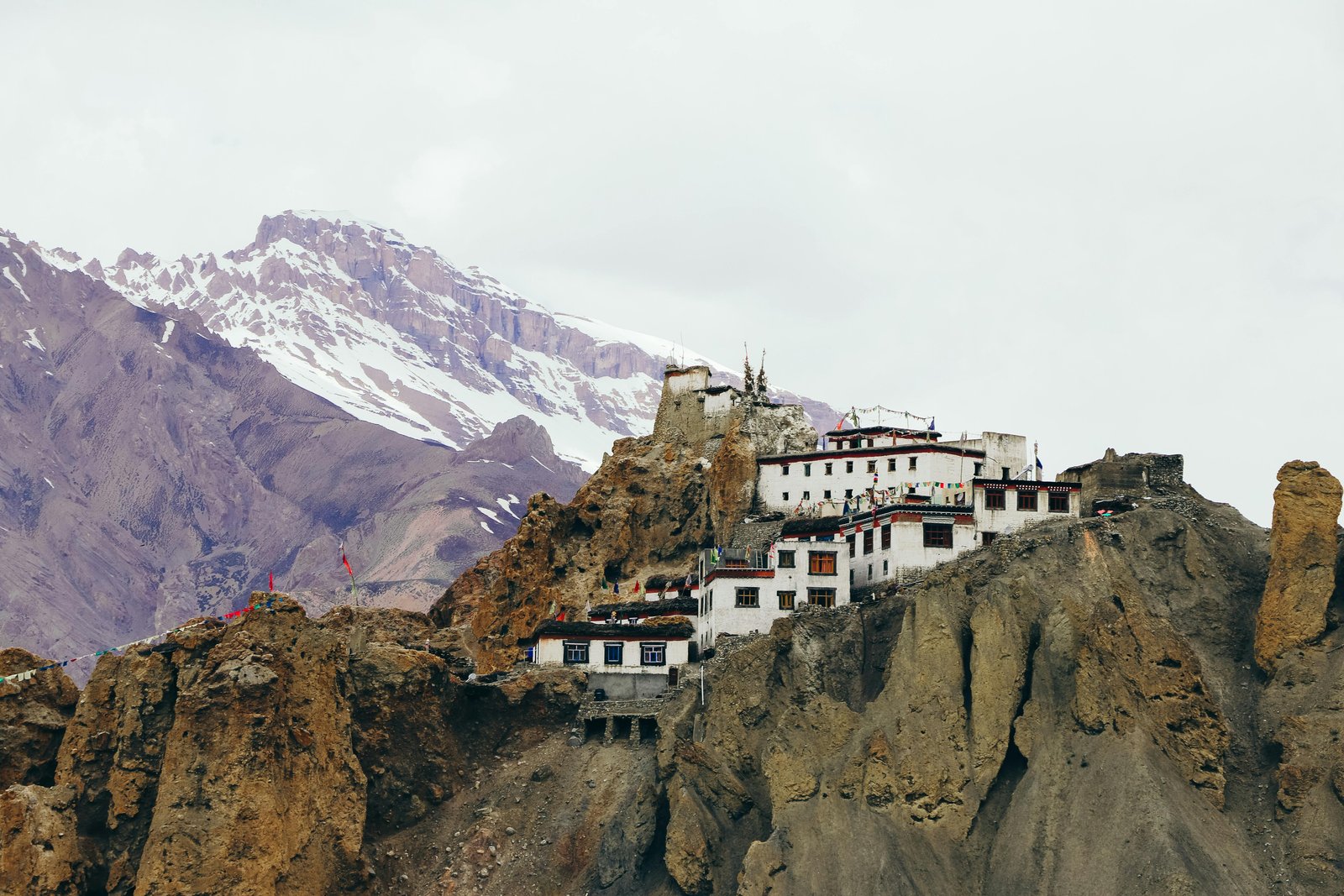
Dhankar Monastery is a beautiful ancient monastery located in the Spiti Valley. Perched on a cliff at about 3,894 meters (12,774 feet), it offers breathtaking views of the Spiti River and surrounding mountains. The monastery belongs to the Gelugpa sect of Tibetan Buddhism and is known for its historic architecture and peaceful atmosphere.
Lalung Golden Temple
The Lalung Golden Temple in Spiti Valley is known for its beautiful gold-painted facade, symbolizing spiritual purity. It was founded by Lotsawa Rinchen Zangpo, a famous Buddhist scholar who helped spread Buddhism in the region. The temple features traditional Tibetan architecture and remains an important spiritual and cultural center.
NOTE: Photography Is Not Allowed inside the Monasteries. During your tour, we will try to arrange your stay at the Monastery Guest House if it is available, Otherwise you will be staying in a home stay which is very basic, with either a shared washroom or a dry pit local toilet. It’s advisable to carry wet wipes with you for convenience. The entire tour will depend on the weather. In case of road closures or any natural causes, we will not be responsible.
ITINERARY
Day 1: Pick from Kaza & drive to Key Monastery, Komic Monastery & Kungri Monastery in Pin Valley
Day 2: Kungri Monastery to Tabo Monastery & Dhankhar Monastery
Day 3: Dhankhar Monastery to Kaza back via Lalung Golden Temple
Inclusions
Taxi for 3 days
2 Night stays in Guest house / Home stay
Meals: Breakfast & Dinner during stays
Guide for 3 days
Exclusions
Extra Stays & Vehicle
Personal Expenses
Tip for Staff & Homestays
Medical Issues
Health Insurance
Entrance Fee
Any Donation
Cost Details
Cost per person - Per person - 9,999/-
Special buchen Festival for 1 Day
The Buchen Festival is a traditional religious and cultural celebration held mainly in the Spiti Valley,
particularly in villages like Pin Valley. It is closely associated with Tibetan Buddhism and the
Nyingma sect of monks.
Key Features of the Buchen Festival:
Performed by Buchen Lamas: The "Buchen" are a special group of lay monks who perform sacred tantric rituals, masked dances, and dramatic storytelling.
Focus on Good vs. Evil: The performances often depict stories from the life of Guru Padmasambhava (Guru Rinpoche), a revered Buddhist master believed to have subdued demons and spread Buddhism in Tibet.
Performances: Buchen wear elaborate costumes to perform ritual dances that are believed to drive away evil spirits and negative energies.
Spiritual Significance: The festival aims to cleanse the community of misfortunes, promote peace, and ensure prosperity.
The Stone Break Story of Buchen
Long ago, a sinful man died and was believed to be suffering in the afterlife. His soul was trapped
because of his bad deeds. The villagers called the Buchen monks to help. The Buchen performed rituals
and placed a large stone to represent the man’s heavy sins. With chants and spiritual power, the monk
smashed the stone, showing that even the darkest karma can be broken by compassion, faith, and prayer.
The people believed the man's soul was freed—a reminder that it's never too late for redemption.